
Shin Splints
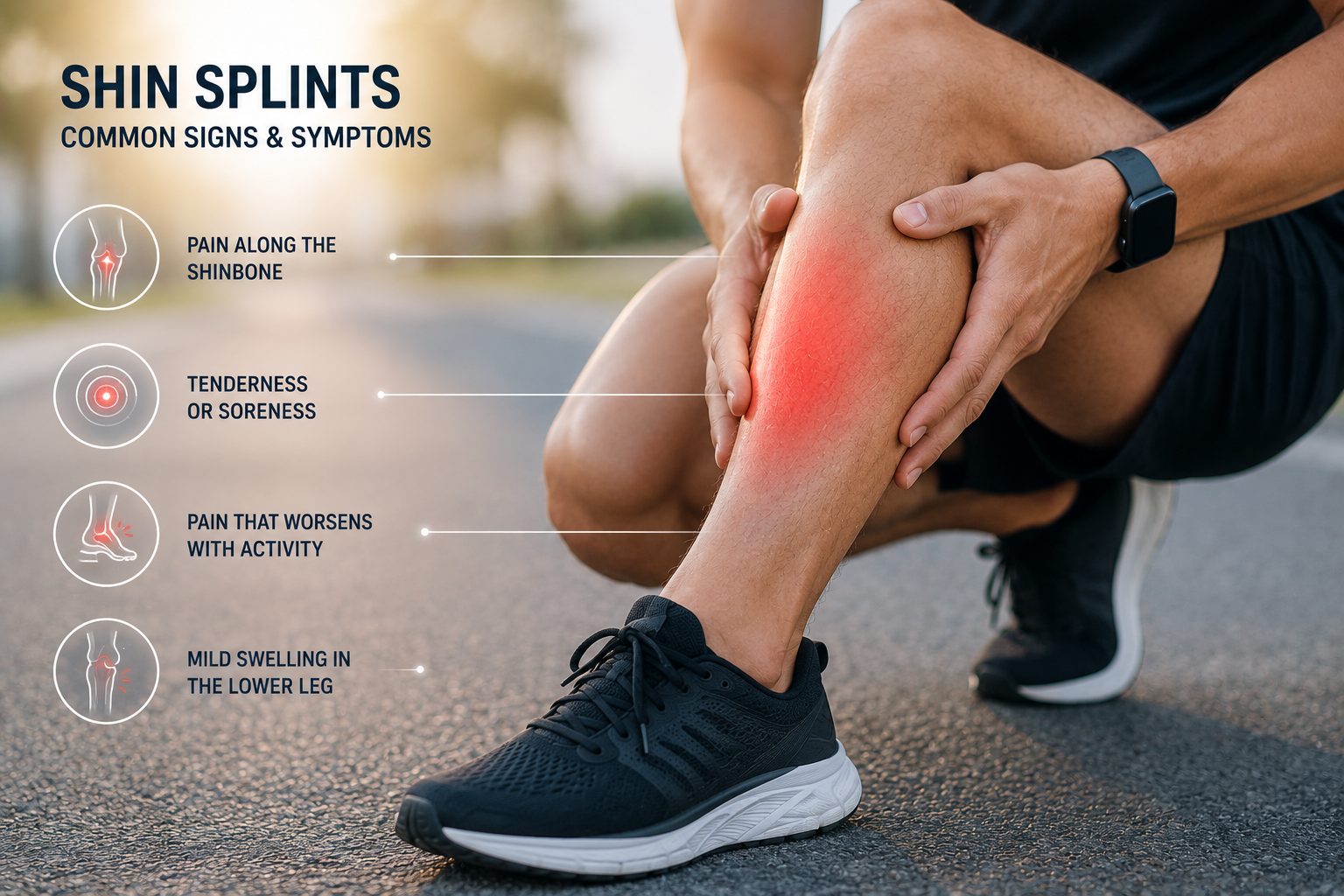
What Are Shin Splints?
Shin Splints, also known as Medial Tibial Stress Syndrome (MTSS), describe pain that develops along the inside edge of the shinbone (tibia).
This condition commonly occurs when repetitive stress causes irritation to the muscles, tendons and tissues surrounding the shin.
Shin splints are particularly common in:
- Runners
- Walking and running programs
- Court and field sports
- Sudden increases in exercise
- High impact training
Symptoms often improve with rest but may return once activity resumes if the underlying cause is not addressed.
Common Symptoms
Symptoms may include:
- Pain along the inside of the shin
- Tenderness when touching the area
- Mild swelling through the lower leg
- Pain during running, hopping or jumping
- Symptoms that worsen with activity
- Tightness or fatigue in the lower legs
How Is Shin Splints Diagnosed?
At Podiatry Medics, assessment may include:
- Thorough lower limb assessment
- Review of activity levels and training load
- Footwear assessment
- Gait and biomechanical analysis
- Imaging referral where clinically appropriate to rule out stress fractures or other conditions
Understanding the cause helps create a more effective recovery plan.
Treatment Options
Treatment depends on your symptoms and contributing factors and may include:
- Activity and load modification
- Footwear advice
- Stretching and strengthening programs
- Dry needling where appropriate
- Shockwave Therapy where clinically indicated
- Low Level Laser Therapy (LLLT)
- Orthotics or supportive insoles
- Running gait retraining
- Rehabilitation and return to activity planning
Shockwave Therapy may be recommended in selected cases to support tissue recovery and assist with pain management.
K-Laser may also be used in selected cases to support healing, pain management and recovery.
Can Shin Splints Be Prevented?
Simple changes may help reduce your risk:
- Increase training gradually
- Wear supportive footwear
- Warm up and recover properly
- Strengthen lower limb muscles
- Cross train to reduce repetitive load
- Manage training intensity appropriately
How Podiatry Medics Can Help
At Podiatry Medics, we take a whole lower limb approach to treatment.
Our focus is identifying contributing factors, improving movement and helping reduce the chance of symptoms returning.
No referral required.